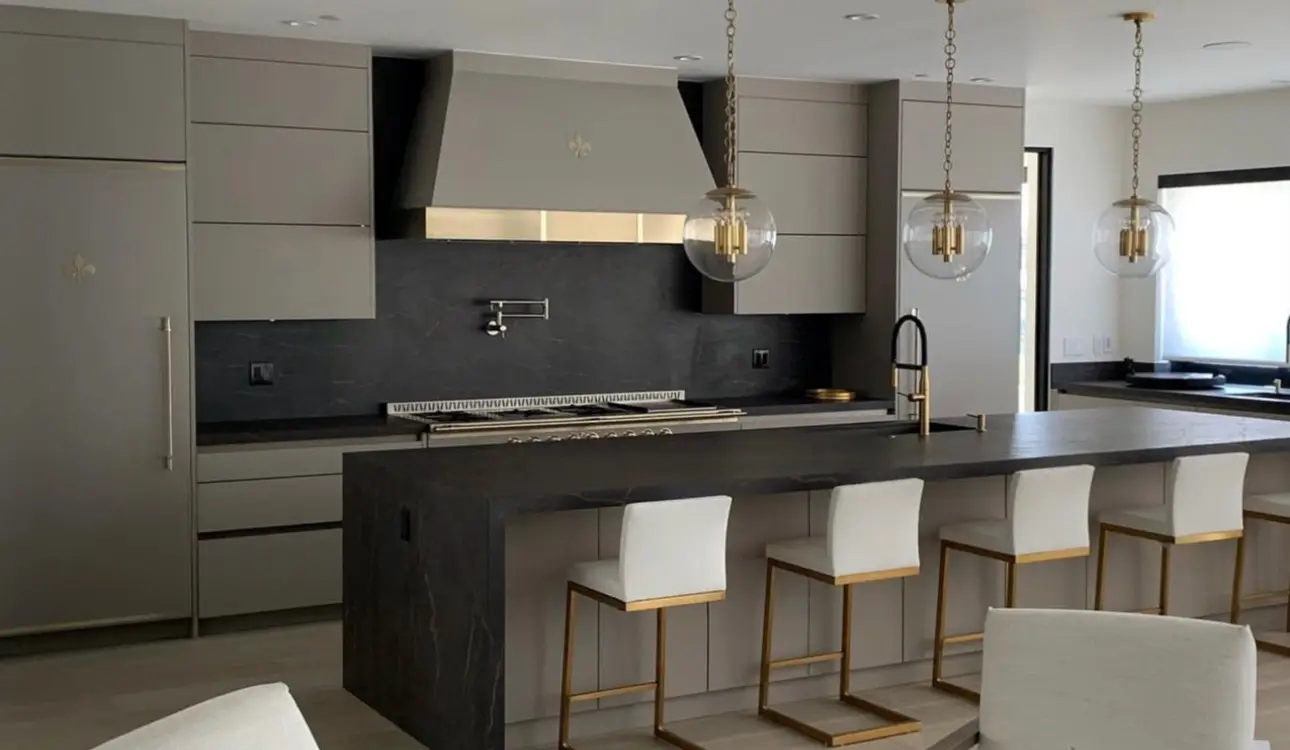
Designing a luxury European kitchen is far more sophisticated than a standard kitchen remodel. It is a carefully orchestrated process that combines architectural planning, precision engineering, modern aesthetics, and lifestyle optimization. In Orange County, California, where homeowners expect elevated design, seamless indoor-outdoor living, and long-term property value, European kitchen design has become the preferred choice for discerning homeowners seeking both beauty and performance.
Unlike traditional American kitchens that often emphasize decorative cabinetry and incremental upgrades, European kitchens focus on efficiency, minimalism, technological integration, and spatial intelligence. Every element is intentional. Every line serves a purpose. Every material contributes to longevity and refined living.
Understanding the complete process helps homeowners make informed decisions and ensures the finished kitchen meets both functional needs and luxury expectations.
Understanding the European Kitchen Philosophy
Before discussing the technical steps, it is important to understand what defines a European kitchen.
European kitchen design originated primarily in Italy and Germany, where urban living required maximizing space efficiency without sacrificing aesthetics. Over the decades, manufacturers developed sophisticated cabinet systems emphasizing:
Clean architectural lines
Handleless cabinetry
Integrated appliances
Smart storage engineering
Minimal visual clutter
High-performance materials
The result is a kitchen that feels more like modern architecture than furniture installation.
Orange County homeowners increasingly gravitate toward this philosophy because modern California homes share similar priorities: openness, light, efficiency, and contemporary elegance.
Phase One: Initial Consultation and Lifestyle Analysis
Every successful luxury kitchen begins with discovery. A professional European kitchen designer does not start by discussing cabinet colors or countertops. Instead, the process begins with understanding how the homeowner lives.
During the initial consultation, designers analyze lifestyle variables such as:
Cooking frequency and culinary preferences
Entertaining habits
Family size and daily routines
Storage challenges in the current kitchen
Desired level of technology integration
Long-term plans for the home
In Orange County, many homeowners prioritize kitchens that support entertaining, indoor-outdoor transitions, and multi-functional living spaces. Designers therefore evaluate sightlines, natural light exposure, and how the kitchen interacts with adjacent living areas.
This stage establishes the strategic foundation for the entire project.
Phase Two: Architectural Evaluation and Space Planning
After understanding lifestyle goals, designers move into architectural analysis.
European kitchens rely heavily on precision space planning. The layout determines functionality far more than finishes or decorative elements.
Key planning considerations include:
Workflow Optimization
Designers map cooking zones, including preparation, cooking, cleaning, and storage areas. Rather than relying solely on the traditional work triangle, modern European kitchens often use multi-zone planning to accommodate multiple users simultaneously.
Traffic Flow
Orange County homes frequently feature open floor plans. Designers ensure pathways remain unobstructed even during gatherings or family activities.
Spatial Balance
Symmetry, alignment, and proportional spacing are essential. Cabinet heights, appliance placement, and island dimensions must visually balance the room.
Structural Opportunities
Sometimes walls are removed or reconfigured to create a sense of openness. European kitchen projects often overlap with architectural remodeling rather than cosmetic renovation.
The outcome is a detailed floor plan that integrates aesthetics with real-world functionality.
Phase Three: Concept Design and Visual Development
Once the layout is approved, designers develop a conceptual design reflecting the homeowner’s style preferences.
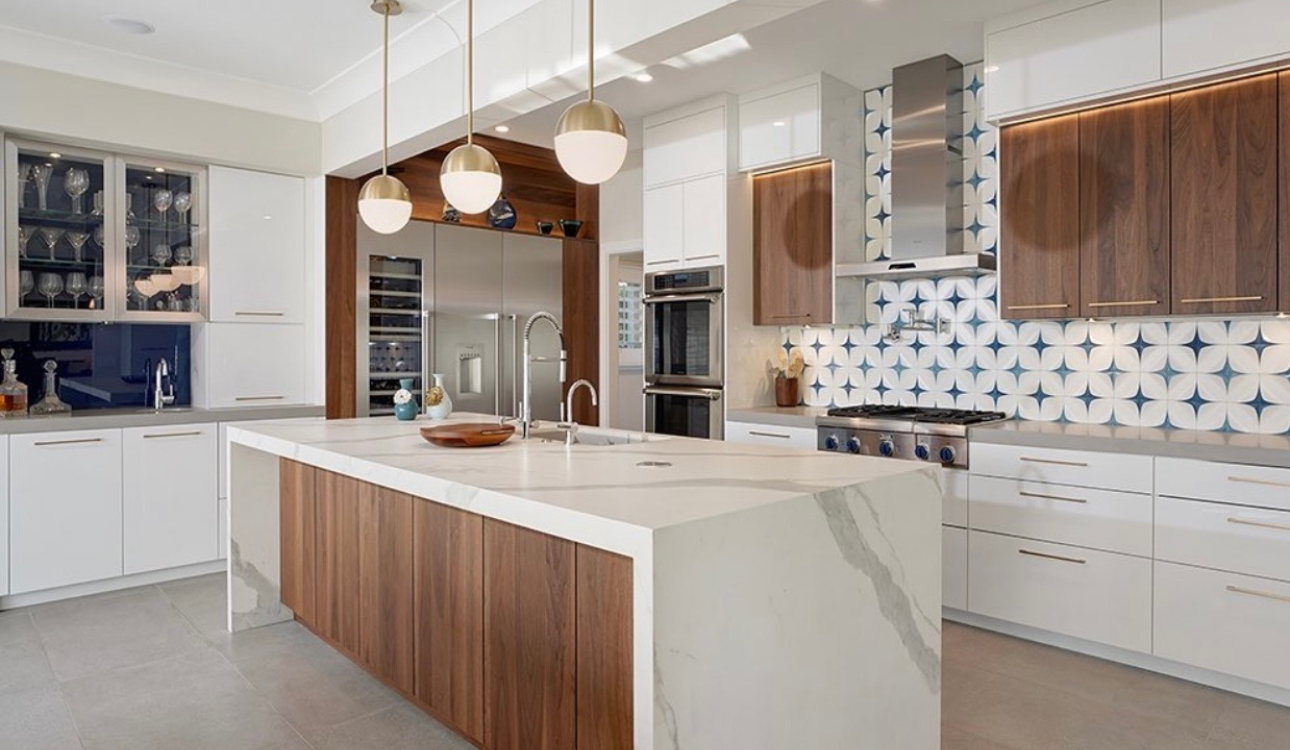
This phase transforms technical planning into visual storytelling.
Homeowners review:
3D renderings
Perspective views
Material mood boards
Lighting concepts
Color palettes
Cabinet configurations
Luxury European kitchens emphasize restraint. Rather than overwhelming the space with decorative details, designers focus on creating calm visual harmony.
Popular Orange County design directions include:
Warm modern minimalism
Italian contemporary luxury
Scandinavian-inspired simplicity
Matte textures combined with natural wood
Neutral palettes enhanced by architectural lighting
The goal is timeless sophistication rather than trend-driven design.
Phase Four: Material Selection and Finish Specification
Material selection represents one of the most exciting stages of the process. European kitchens distinguish themselves through advanced materials engineered for durability and refined appearance.
Common cabinetry finishes include:
High-gloss lacquer panels
Ultra-matte anti-fingerprint surfaces
Natural wood veneers
Textured laminates
Ceramic or glass-front cabinetry
Countertop materials are carefully coordinated to complement cabinetry while maintaining performance.
Popular choices include:
Porcelain slabs are resistant to heat and stains
Quartz surfaces offering durability and consistency
Natural stone selections for statement islands
Designers also select:
Integrated LED lighting systems
Toe-kick lighting accents
Interior drawer lighting
Architectural hardware solutions
Each decision contributes to both visual cohesion and everyday usability.
Phase Five: Appliance Integration and Technology Planning
One of the defining characteristics of a luxury European kitchen is seamless appliance integration.
Instead of appliances interrupting the visual flow, they become invisible components within the design.
Planning includes:
Panel-ready refrigerators hidden behind cabinetry
Flush-mounted induction cooktops
Built-in ovens are aligned ergonomically
Concealed dishwashers
Integrated coffee machines
Wine refrigeration systems
Smart home technology is widely incorporated, allowing homeowners to control lighting, appliances, and ventilation via mobile devices or voice control.
This integration transforms the kitchen into a modern living hub rather than a collection of standalone appliances.
Phase Six: Engineering and Technical Documentation
After design approval, the project enters a highly technical stage that distinguishes luxury kitchen projects from standard remodels.
Design teams prepare detailed documentation, including:
Cabinet shop drawings
Electrical plans
Plumbing coordination layouts
Appliance specifications
Lighting schematics
Ventilation requirements
European cabinetry systems are manufactured with millimeter precision. Accurate documentation ensures construction teams execute the project correctly before materials are fabricated.
This phase often involves collaboration among architects, contractors, electricians, and designers to avoid costly installation conflicts.
Phase Seven: Custom Manufacturing and Production
Unlike stock cabinets available for immediate purchase, luxury European kitchens are custom-manufactured.
Cabinet systems are produced using advanced fabrication technologies that ensure:
Perfect alignment
Superior structural integrity
Long-term durability
Consistent finish quality
Manufacturing timelines typically range from several weeks to a few months, depending on the level of customization and overseas production schedules.
While this stage requires patience, it guarantees a level of refinement that is impossible to achieve with mass-market cabinetry.
Phase Eight: Pre-Installation Preparation
Before installation begins, the construction site must be properly prepared.
Preparation may include:
Electrical upgrades
Plumbing relocation
Flooring installation
Wall leveling
Structural reinforcement
Lighting rough-ins
European kitchens demand extremely precise conditions. Even minor uneven surfaces can affect cabinet alignment, making preparation essential for flawless results.
Phase Nine: Professional Installation
Installation is where design vision becomes physical reality.
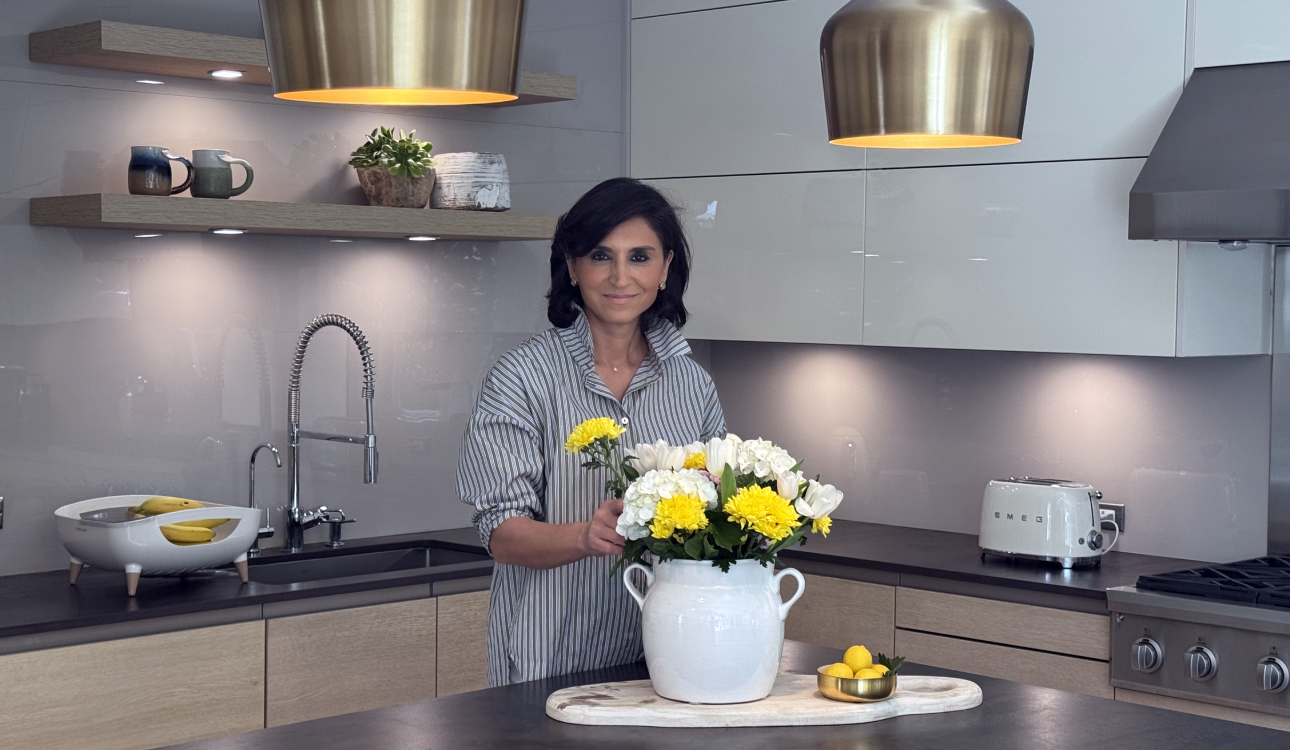
Specialized installers assemble cabinetry systems carefully to maintain precision alignment and architectural symmetry.
Installation typically proceeds in stages:
Cabinet system installation and leveling
Appliance integration
Countertop templating and installation
Lighting installation
Hardware adjustments
Final detailing
Because European kitchens rely on concealed hardware and handleless systems, installers must possess specialized expertise.
Phase Ten: Quality Control and Final Adjustments
Luxury projects include extensive quality control to ensure perfection.
Design teams inspect:
Door alignment
Drawer operation
Lighting functionality
Appliance performance
Surface finishes
Small adjustments make a significant difference in achieving the refined feel associated with European design.
Homeowners receive guidance on maintenance, cleaning, and optimal use of storage systems.
Phase Eleven: Styling and Personalization
The final stage transforms the kitchen from a construction project into a lifestyle environment.
Designers may recommend:
Decorative lighting fixtures
Bar seating arrangements
Accessories and organization systems
Artwork placement
Minimal styling elements that complement the design
European kitchens intentionally avoid clutter. Thoughtful styling reinforces the clean and sophisticated atmosphere.
Why European Kitchens Are Ideal for Orange County Homes
Orange County provides a unique environment where European kitchen principles excel.
Local homes frequently feature:
Open architectural layouts
Large glass doors and natural lighting
Coastal modern design aesthetics
Indoor-outdoor entertaining spaces
European kitchens enhance these characteristics by emphasizing openness, efficiency, and visual continuity.
Additionally, luxury kitchen renovations significantly increase property desirability and resale value within competitive Orange County real estate markets.
Common Timeline for a Luxury European Kitchen Project
While timelines vary, most projects follow a general schedule:
Consultation and design development: 4 to 8 weeks
Engineering and approvals: 2 to 4 weeks
Manufacturing: 8 to 14 weeks
Installation and completion: 4 to 6 weeks
The overall project duration typically ranges from 2 to 4 months for a fully customized kitchen.
Planning allows homeowners to avoid rushed decisions and ensures superior results.
Mistakes to Avoid When Designing a European Kitchen
Homeowners unfamiliar with European kitchen systems sometimes encounter challenges. Common mistakes include:
Prioritizing aesthetics over functionality
Choosing inexperienced installers
Ignoring lighting planning
Underestimating storage needs
Skipping professional design consultation
Working with a specialized European kitchen design company helps prevent these costly issues.
Investment Considerations for Luxury European Kitchens
Luxury European kitchens represent a significant investment, but they deliver lasting value through:
Exceptional durability
Timeless design
Improved daily functionality
Increased property value
Enhanced lifestyle experience
Rather than replacing cabinets every decade, homeowners invest in systems designed to perform beautifully for many years.
The Future of Kitchen Design in Orange County
Modern homeowners increasingly view the kitchen as the emotional center of the home. It serves as a gathering space, workspace, entertainment zone, and design statement all at once.
European kitchen design aligns perfectly with evolving lifestyle expectations by combining:
Technology integration
Architectural minimalism
Sustainable materials
Efficient spatial planning
As Orange County architecture continues moving toward contemporary living, European kitchens are expected to remain the dominant luxury design trend.
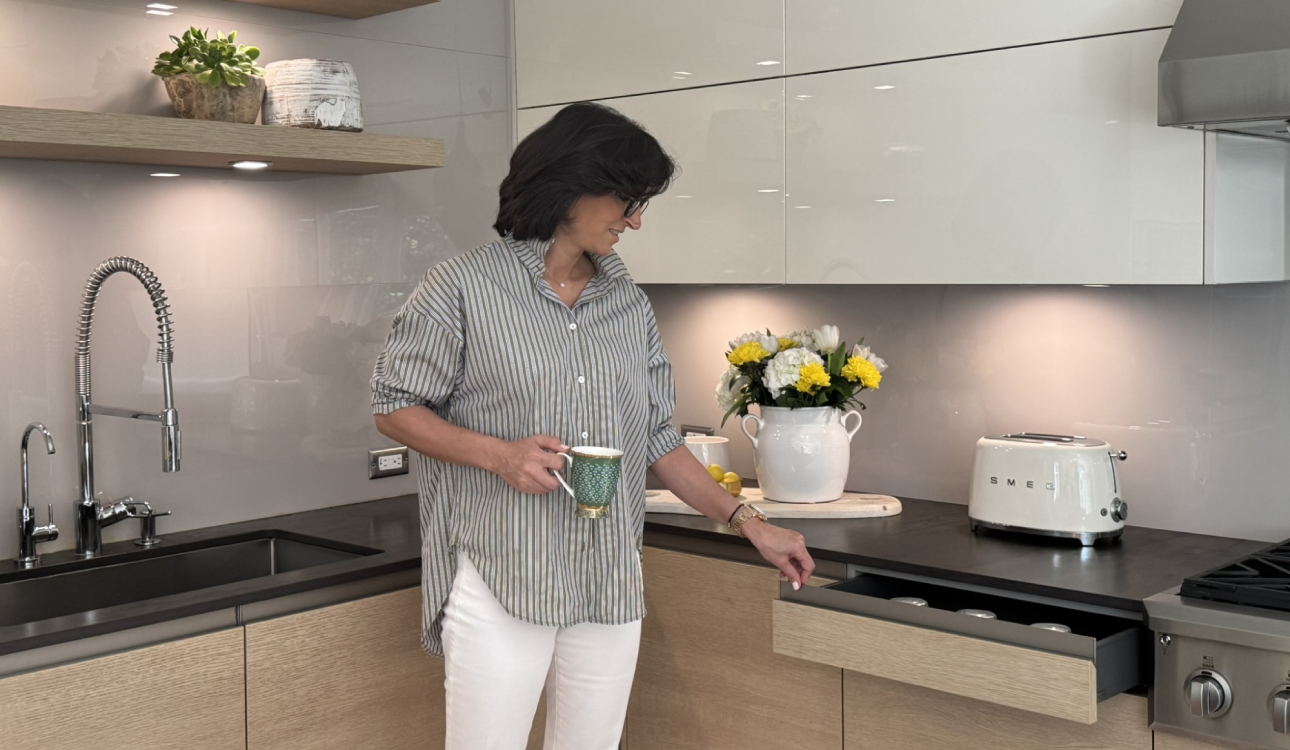
Begin Your Luxury European Kitchen Design Journey
Designing a luxury European kitchen requires expertise, precision, and a clear understanding of modern living. From initial consultation to final installation, every phase contributes to creating a space that is both visually stunning and exceptionally functional.
Working with an experienced European kitchen design specialist such as Amytis Exclusive Kitchens allows homeowners to move confidently through the process, ensuring every detail is carefully planned and flawlessly executed.
A thoughtfully designed European kitchen does more than upgrade a home. It transforms the way homeowners live, cook, entertain, and experience everyday life in Orange County.
If you are ready to explore a premium custom European kitchen solution, Amytis Exclusive Kitchens can help you plan a system that elevates your home, simplifies your routine, and delivers the refined look and performance Orange County homeowners expect. To get started, book an appointment or call at (949) 297-4838 to schedule a design consultation and discuss your custom closet goals.