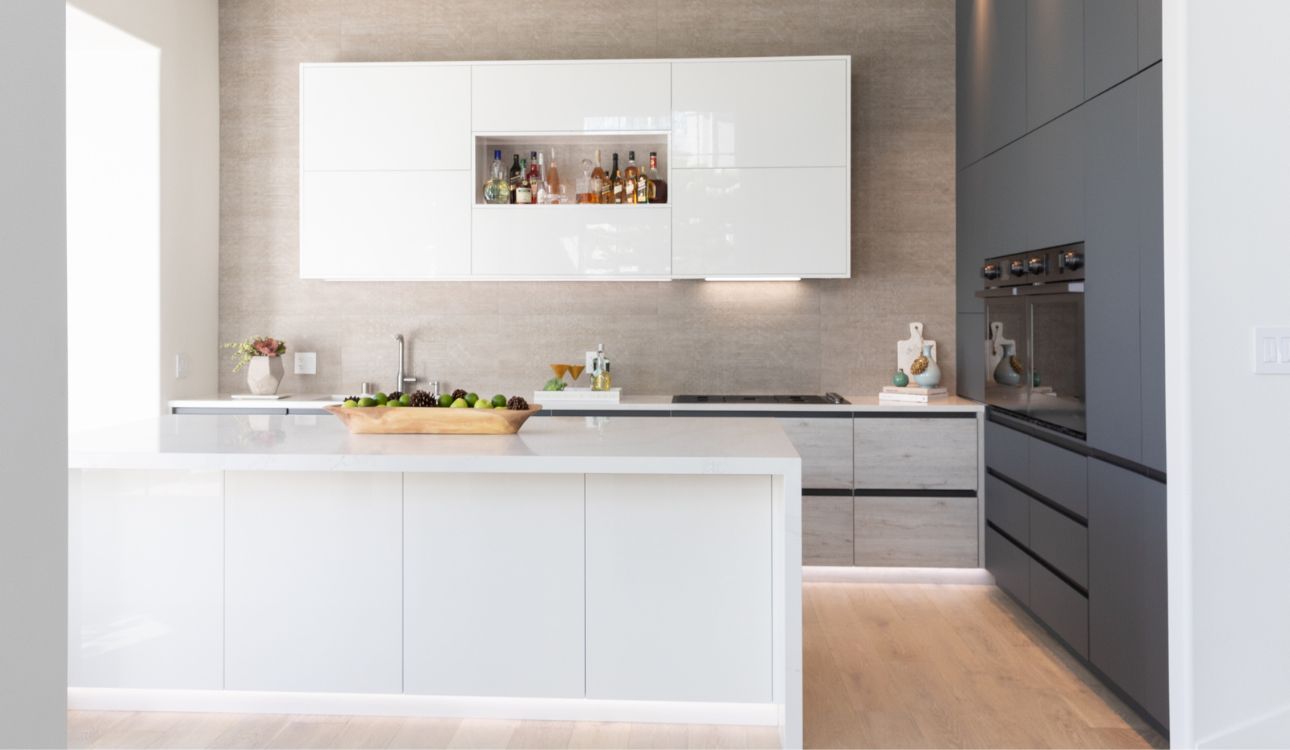
A whole home cabinet design plan is much more than choosing attractive doors, finishes, and hardware for a few isolated rooms. It is a comprehensive design strategy that brings organization, functionality, architectural consistency, and long-term value to the entire home. In Orange County, California, where homeowners often prioritize clean design, efficient storage, and luxury living, a well-executed cabinet plan helps transform a house into a more refined and practical environment.
Many homeowners begin by thinking about cabinets only in the kitchen or bathroom. However, cabinetry plays an essential role across the full home, including closets, laundry rooms, media walls, entryways, mudrooms, home offices, and other built-in storage areas. When these spaces are planned together rather than separately, the result is a home that feels more cohesive, intentional, and elevated.
Understanding what should be included in a complete cabinet design plan helps homeowners avoid costly mistakes, make smarter design decisions, and create a more seamless living experience.
Understanding the Purpose of a Whole Home Cabinet Design Plan
Before discussing specific components, it is important to understand what a whole home cabinet design plan actually does.
A true cabinet plan is not simply a shopping list of cabinets for different rooms. It is a coordinated framework that aligns storage needs, daily routines, architectural style, material selections, and space planning across the home. Instead of making disconnected decisions room by room, the homeowner and designer develop a unified system that supports both function and aesthetics.
Consistent design language
Efficient use of every square foot
Better organization in high-use spaces
Improved flow from room to room
Stronger long-term resale value
A more customized lifestyle experience
When cabinetry is planned holistically, the home feels more sophisticated because each area supports the others instead of competing with them visually or functionally.
Starting With Lifestyle Analysis and Daily Function
The first thing that should be included in a whole home cabinet design plan is a detailed understanding of how the homeowner actually lives. Good design starts with behavior, not with finishes.
A professional designer should begin by evaluating how the home is used on a daily basis. This includes who lives there, how often rooms are used, where clutter tends to accumulate, and what the homeowner wants the space to accomplish over the next several years. A family with children will need different storage solutions than a retired couple or a homeowner who entertains frequently.
During this discovery stage, the plan should account for:
Household size and routines
Cooking and entertaining habits
Wardrobe and closet storage needs
Work from home requirements
Cleaning and laundry habits
Children’s storage and changing future needs
Collections, media, or hobby storage
This step is essential because cabinetry should support real life. A beautiful built-in system that fails to address daily function will not perform well, no matter how expensive the materials are.
Defining the Rooms and Zones Included in the Plan
One of the most important elements in a whole home cabinet design plan is a clear definition of which spaces will be included. Homeowners often overlook cabinet opportunities outside of the obvious rooms, which can result in missed storage potential and inconsistent design.
A complete plan may include:
Pantries and secondary kitchen storage
Laundry room cabinets
Entryway or mudroom built-ins
Living room media cabinetry
Home office cabinetry
Bar areas and entertainment storage
Garage or utility storage systems
Not every home requires cabinetry in all of these zones, but a whole home plan should identify every area where built-in storage can improve function or appearance. This ensures nothing important is forgotten and helps prioritize the budget intelligently.

Creating a Unified Design Language
Another essential part of a whole home cabinet design plan is a consistent visual direction. This does not mean every room must look identical. Instead, the cabinetry throughout the house should feel related in tone, proportion, and detailing.
For example, the kitchen may feature a more architectural and modern expression, while the primary closet uses warmer textures and the bathroom introduces softer finishes. Even so, all of these spaces should feel like they belong to the same home. This visual continuity creates a more custom and luxurious result.
The design language should define:
Overall style direction
Door profiles and panel styles
Color family and finish palette
Wood tones or textured materials
Handle, pull, or handleless approach
Open shelving versus closed storage balance
Lighting integration standards
Without this level of coordination, homes can feel fragmented, especially when different rooms are designed at different times by different vendors.
Including Accurate Space Planning and Measurements
No whole home cabinet plan is complete without precise measuring and space analysis. Cabinetry depends on dimensional accuracy. Even minor errors can lead to alignment issues, wasted space, awkward gaps, or installation delays.
Each area should be evaluated carefully for wall dimensions, ceiling heights, window locations, door swings, plumbing points, electrical access, and traffic flow. Good designers also consider sightlines between spaces, especially in open-concept homes where cabinetry is visible from multiple rooms.
Space planning should answer questions such as:
How much storage is truly needed in each room
What cabinet depths are appropriate
Where tall cabinetry should or should not be used
How drawers, doors, and pull-outs will function
How cabinet placement affects circulation
Whether built-ins need to conceal utilities or equipment
Detailed measurements are the technical backbone of the plan. Beautiful renderings mean very little if the plan has not been grounded in architectural reality.
Prioritizing Storage Strategy Instead of Just Cabinet Quantity
One of the biggest mistakes homeowners make is assuming that more cabinets automatically mean better design. A strong whole home cabinet plan focuses on storage strategy, not just volume.
Every cabinet should have a purpose. The plan should define what needs to be stored, how often it will be accessed, and which storage mechanism is best suited for that function. Deep drawers, tall pantry pull-outs, divided vanity storage, hidden hampers, shoe displays, jewelry organizers, appliance garages, and integrated charging stations all serve different needs.
A designer should identify the difference between prime-access storage and secondary storage. Frequently used items should be placed where access is easiest. Rarely used items can be stored in upper or less convenient zones. This type of planning makes the home feel easier to live in every day.
A thoughtful storage plan often includes:
Drawer organization inserts
Pull-out shelves
Hidden laundry hampers
Integrated trash and recycling centers
Shoe and accessory storage
Vertical tray and baking sheet dividers
Specialized bathroom organizers
Display niches balanced with concealed storage
This is where custom cabinetry becomes far more valuable than stock solutions. It allows the home to work around the homeowner’s habits rather than forcing the homeowner to adapt to generic cabinet layouts.
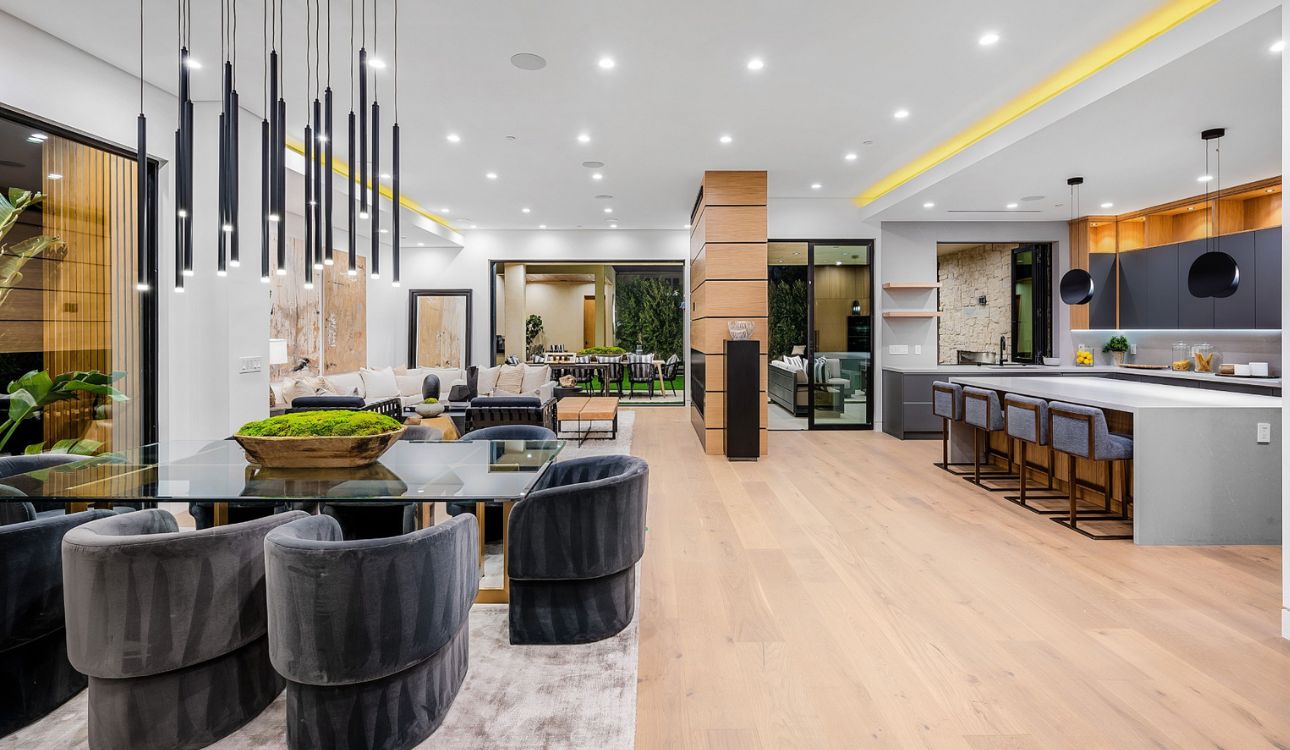
Selecting Materials and Finishes for Performance
Material and finish selection should also be built into the cabinet design plan from the beginning. This is not only an aesthetic choice. Different rooms place different demands on cabinetry, and those performance requirements should guide the specification process.
Kitchen and bathroom cabinetry must stand up to moisture, heat, and frequent cleaning. Closet cabinetry may prioritize visual warmth and luxury detailing. Laundry room and utility spaces may call for durable, easy-to-maintain finishes that can handle heavier wear.
The plan should specify:
Cabinet box construction materials
Door and drawer front materials
Surface finishes and sheen levels
Moisture resistance requirements
Scratch and fingerprint resistance
Interior cabinet finishes
Edge detailing and durability standards
Luxury cabinetry should not only look beautiful on installation day. It should continue to perform well after years of real use. That is why finish selection must be based on both style and durability.
Planning Hardware, Accessories, and Functional Details
Another element that should be included in a whole home cabinet plan is hardware and accessory coordination. These details are often treated as an afterthought, but they have a major impact on comfort, performance, and appearance.
The plan should establish whether the home will use visible hardware, integrated pulls, touch-latch systems, or handleless channels. It should also address hinge quality, drawer glide systems, soft-close mechanisms, and specialty accessories that improve usability.
Important details include:
Soft-close drawers and doors
Heavy-duty drawer slides where needed
Pull-out mirror or valet systems in closets
Under-sink organization components
Hidden charging drawers
Interior lighting triggers and controls
Lift-up or pocket door cabinet solutions
These small decisions often make the difference between cabinetry that merely looks custom and cabinetry that truly functions like a premium system.
Integrating Lighting Into the Cabinet Plan
Lighting should always be included in a whole home cabinet design plan. Cabinetry and lighting are closely connected, especially in luxury homes where atmosphere and function are equally important.
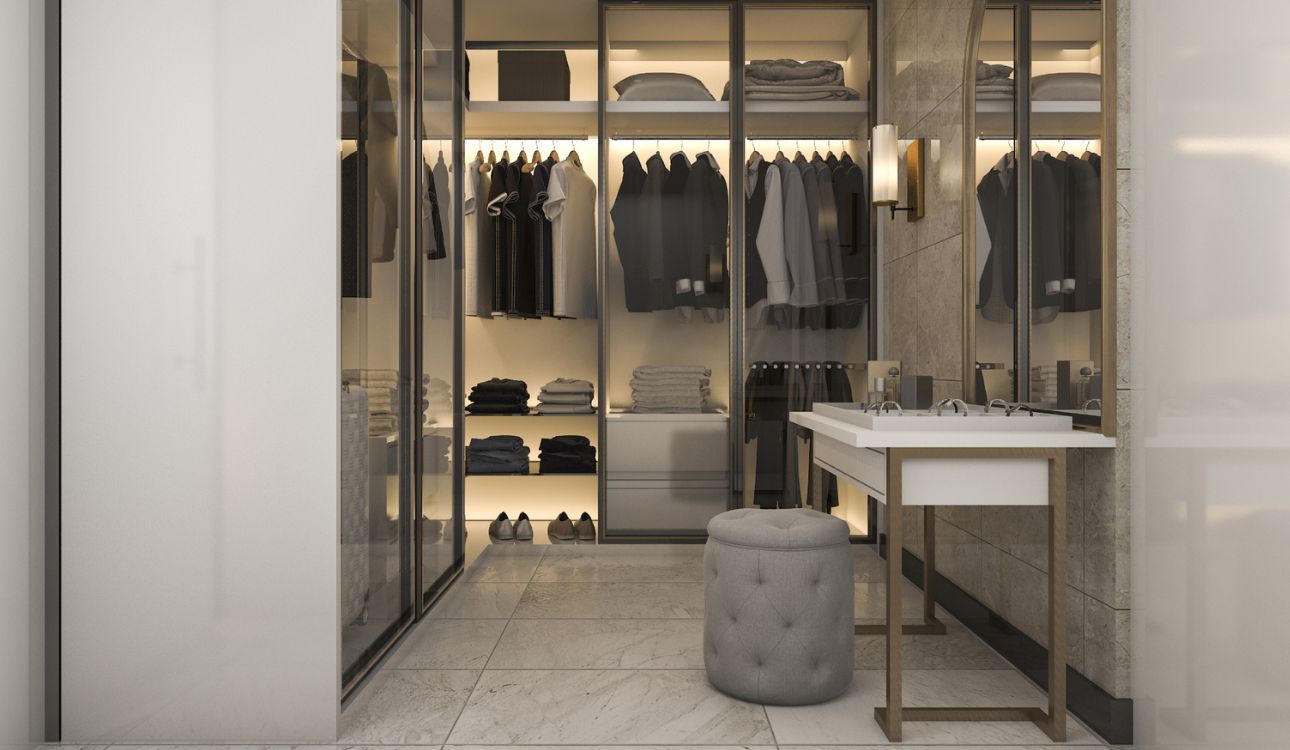
Integrated lighting can improve visibility, highlight materials, create architectural depth, and make cabinetry more useful. In kitchens, task lighting may support food preparation. In closets, illuminated hanging sections and shelving improve visibility and elevate the daily dressing experience. In living areas, cabinet lighting can create a softer, more sophisticated mood.
The plan should address:
Under-cabinet lighting
In-cabinet display lighting
Interior drawer lighting
Closet rod and shelf illumination
Toe-kick lighting accents
Switching and control systems
Coordination with electricians before installation
When lighting is ignored until late in the project, homeowners often miss the opportunity to integrate it cleanly. Including it early allows the cabinetry and electrical plan to work together.
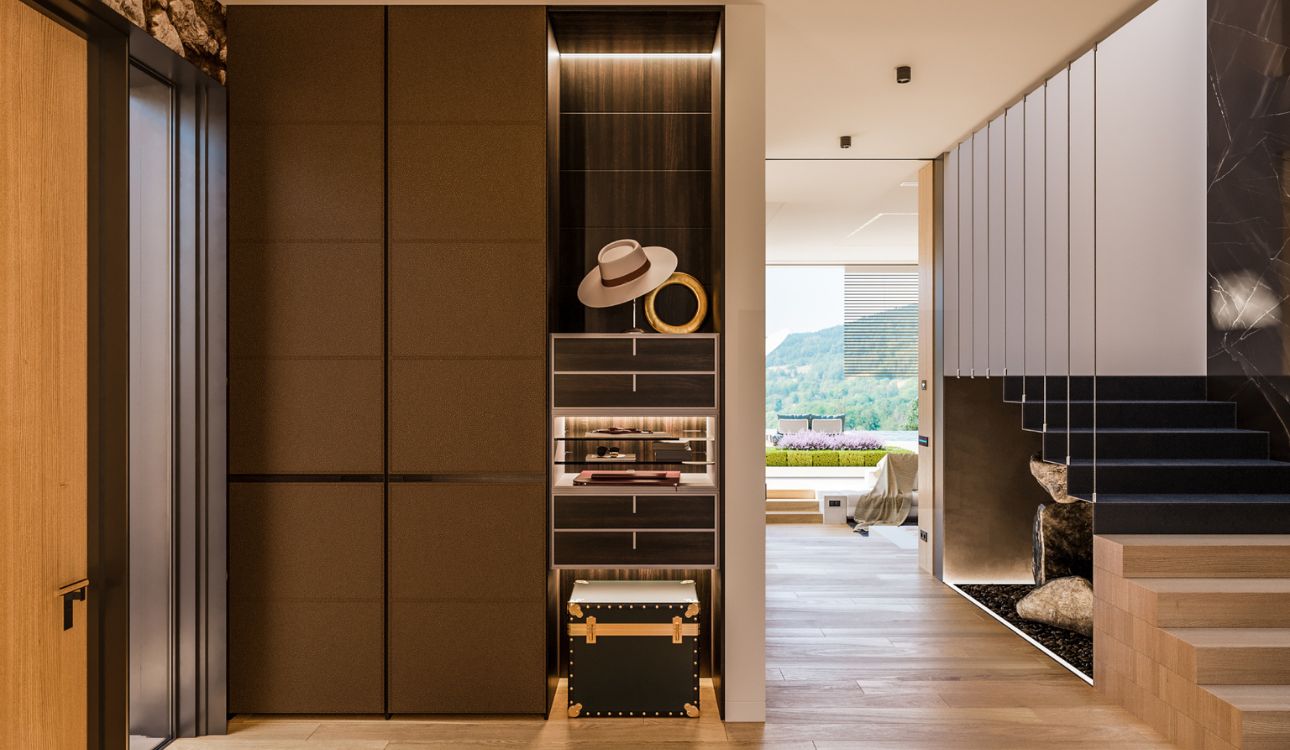
Coordinating Cabinetry With Appliances, Plumbing, and Architecture
Cabinetry does not exist in isolation. A whole home plan should include coordination with all surrounding systems and structural conditions.
In the kitchen, cabinets must integrate with appliances, ventilation, plumbing, and countertop requirements. In bathrooms, vanity design must align with sink locations, plumbing lines, and mirror placement. In closets, cabinetry should respond to outlet locations, islands, windows, and lighting layouts. In living spaces, media cabinetry may need to conceal speakers, wiring, and entertainment systems.
This coordination stage should account for:
Appliance dimensions and installation requirements
Countertop and backsplash coordination
Plumbing fixture placement
Ventilation and clearance needs
Electrical outlets and data cable management
Baseboards, wall conditions, and ceiling details
This is especially important in custom homes and remodels, where the cabinetry is expected to feel built into the architecture rather than simply placed inside the room.
Establishing Budget Priorities and Phasing Options
A complete cabinet plan should also include budgeting logic. Not every homeowner completes the full home at once, so the plan should identify priorities and possible phasing while still maintaining design continuity.
Some homeowners begin with the kitchen, primary bathroom, and primary closet, then expand into laundry rooms, media walls, and additional bedrooms later. That approach can work well, but only if the master design plan is established upfront. Otherwise, future rooms may not match in finish, proportion, or overall visual identity.
The budgeting portion of the plan should define:
High-priority spaces
Nice-to-have additions
Areas that can be completed later
Where premium materials matter most
Where cost-efficient alternatives are acceptable
This helps homeowners make intelligent decisions without compromising the long-term quality of the home’s cabinet system.
Using Visual Renderings and Technical Documentation
A whole home cabinet design plan should include both visual presentations and technical documentation. Renderings help homeowners understand how the final spaces will look, while detailed drawings ensure the project can actually be built correctly.
Important deliverables often include:
Floor plans
Elevation drawings
3D renderings
Material boards
Cabinet specifications
Hardware schedules
Lighting notes
Installation and coordination details
The combination of creative vision and technical clarity is what separates professional design from guesswork.
Why Whole Home Cabinet Planning Matters in Orange County
Orange County homeowners often expect a high level of design consistency, especially in homes with open layouts, contemporary architecture, and strong indoor-outdoor flow. In this type of environment, disconnected cabinetry decisions are much more noticeable. A kitchen may look polished, but if the bathroom, closet, and built-in storage areas feel unrelated, the home loses some of its refinement.
A coordinated plan helps homeowners create a more complete experience. It also improves property appeal, because buyers increasingly notice thoughtful storage, custom built-ins, and architectural consistency throughout the home.
Whether the style is modern European, warm contemporary, or transitional luxury, whole home cabinetry allows the house to feel more intentional from entry to primary suite.
Work With an Experienced Whole Home Cabinet Design Specialist
A successful whole home cabinet design plan should include far more than cabinet measurements and finish samples. It should address lifestyle analysis, room-by-room storage goals, design consistency, space planning, materials, lighting, hardware, technical coordination, and long-term budget strategy.
When all of these elements are considered together, cabinetry becomes one of the most valuable design investments in the home. It improves daily organization, reduces visual clutter, supports luxury living, and creates the kind of custom environment that feels both beautiful and highly functional.
Working with an experienced design specialist such as Amytis Exclusive Kitchens can help homeowners develop a cabinet plan that reflects the full potential of their property. From kitchen cabinet design and bathroom cabinet design to custom-made closets and whole home cabinets design, the right team can guide every stage with precision and clarity.
If you are planning to create a more cohesive and luxurious home, Amytis Exclusive Kitchens can help you develop a cabinet strategy tailored to your lifestyle, space, and design goals. To get started, book an appointment or call (949) 297-4838 to schedule your design consultation.